admin
admin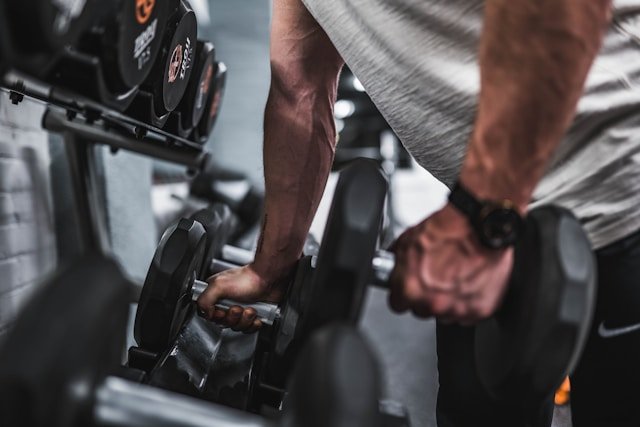
Cities and residential developments are paying increasing attention to how outdoor recreational spaces are designed. Parks are no longer seen only as green areas for walking or relaxing. Many local authorities and private developers are turning them into multifunctional environments where exercise, leisure and community activity coexist within the same space.
This shift has accelerated the demand for outdoor fitness installations that can withstand constant use while remaining accessible to people of different ages and physical conditions. The focus is no longer limited to adding exercise stations randomly across a park. The discussion now revolves around planning, safety and long-term usability.
Outdoor training spaces become part of urban planning
Over the last few years, outdoor exercise zones have started appearing in residential complexes, coastal promenades and public parks with much more structured layouts than before. Instead of isolated machines, many projects now include complete training circuits designed to encourage regular physical activity.
Open-air gym equipment has become one of the most requested elements in these developments, especially in spaces aimed at combining recreation and wellness. Strength stations, calisthenics structures and cardio-focused equipment are increasingly integrated into urban environments where accessibility and durability are essential.
The popularity of these installations is linked not only to fitness trends, but also to changing habits around public space usage.
Durability and weather resistance drive equipment choices
One of the biggest challenges in outdoor fitness infrastructure is long-term exposure to weather conditions. Sun, humidity, rain and temperature changes place constant pressure on materials, especially in coastal or high-traffic areas.
For this reason, project developers are prioritising corrosion-resistant finishes, reinforced structures and materials designed for continuous public use. Maintenance requirements are also becoming a decisive factor when selecting equipment for large installations.
Public administrations increasingly look for solutions that reduce future repair costs while maintaining safe conditions for users.
Ground protection gains importance in recreational design
Alongside the fitness structures themselves, attention is also shifting toward the surfaces surrounding these areas. Falls and impact injuries remain one of the main concerns in spaces used by children, older adults and sports users.
Safety surfaces are now considered a fundamental part of outdoor recreational planning rather than an optional addition. Shock-absorbing materials, non-slip finishes and surfaces adapted to different levels of activity are becoming standard in many public and private projects.
This type of flooring not only improves protection but also contributes to accessibility and comfort throughout the space.
Multi-generational use shapes new recreational areas
Another noticeable trend is the growing interest in spaces designed for users of different ages. Outdoor fitness zones are no longer aimed exclusively at athletes or younger people. Many projects now include low-impact equipment suitable for older adults alongside more demanding training structures.
This broader approach changes how spaces are organised. Walking areas, exercise stations and resting zones are combined to encourage longer and more varied use throughout the day.
The result is a more active use of public space, especially in urban areas where access to large sports facilities may be limited.
Safety standards influence public investment decisions
Municipalities and developers are also facing greater pressure regarding compliance with safety standards. Flooring systems, equipment installation and accessibility requirements are subject to increasingly detailed technical criteria.
As a result, the selection of both open-air gym equipment and safety surfaces is often tied to long-term operational planning rather than short-term installation costs alone. Reliability, certification and ease of maintenance are becoming decisive elements during project development.
Outdoor wellness spaces continue evolving beyond traditional playgrounds
The concept of outdoor recreational infrastructure has expanded significantly. What was once limited to playgrounds and small sports courts now includes integrated wellness environments designed for everyday use.
Fitness, safety and accessibility are increasingly connected within the same project strategy. Urban planners and developers are approaching these spaces as long-term community assets rather than decorative additions.
This evolution reflects a broader shift in how cities and residential environments understand public wellbeing, where outdoor activity and safe shared spaces are becoming part of modern urban design.